5–6 Hours of Sleep: How It Affects Your Body & Mind
Introduction: Is 5–6 Hours of Sleep Really Enough?
In today’s fast-paced world, sleep often becomes the first sacrifice. Late-night work, endless scrolling, binge-watching shows, or social commitments — they all eat into bedtime 😴
Many people proudly say, “I function just fine on five hours of sleep.” But here’s the truth: your body may be coping, not thriving.
Science shows that consistently getting only 5–6 hours of sleep can quietly harm both your physical and mental health, even if you don’t feel the effects immediately. Sleep deprivation doesn’t always scream — sometimes it whispers, slowly wearing you down.
So what really happens to your body when sleep falls short night after night? Let’s break it down.
Why 5–6 Hours of Sleep Leads to Sleep Deprivation
Most adults need at least seven hours of sleep to function optimally. When you regularly get less than that, your body enters a state called chronic sleep deprivation.


Even if:
- You fall asleep quickly
- You don’t feel sleepy during the day
- You’ve “adapted” to fewer hours
Your brain and body are still missing out on essential recovery time.
Think of sleep like charging your phone 🔋. You can unplug at 60%, but eventually, performance drops — and the battery degrades faster.
Mental Health Effects of Poor Sleep
Sleep and mental health are deeply connected. When sleep is restricted, the brain struggles to regulate emotions and thoughts.
Over time, insufficient sleep can lead to:
- Mood swings and irritability
- Increased anxiety
- Feelings of sadness or hopelessness
- Difficulty managing stress
Your brain’s emotional control center becomes more reactive, making small problems feel overwhelming. You may notice yourself snapping easily or feeling emotionally drained.
Trouble Focusing and Memory Problems
Ever walked into a room and forgotten why? Or reread the same paragraph five times without understanding it? That’s sleep deprivation at work 🧠
With only 5–6 hours of sleep:
- Concentration declines
- Memory recall weakens
- Decision-making becomes slower
- Learning new information feels harder
Your brain uses sleep to organize memories and process information. Without enough rest, mental clarity fades, and “brain fog” becomes the norm.
Weakened Immune System
Sleep is when your immune system repairs and strengthens itself. Short sleep duration interrupts this process.

Chronic sleep deprivation can:
- Lower your resistance to infections
- Slow recovery from illness
- Increase inflammation in the body
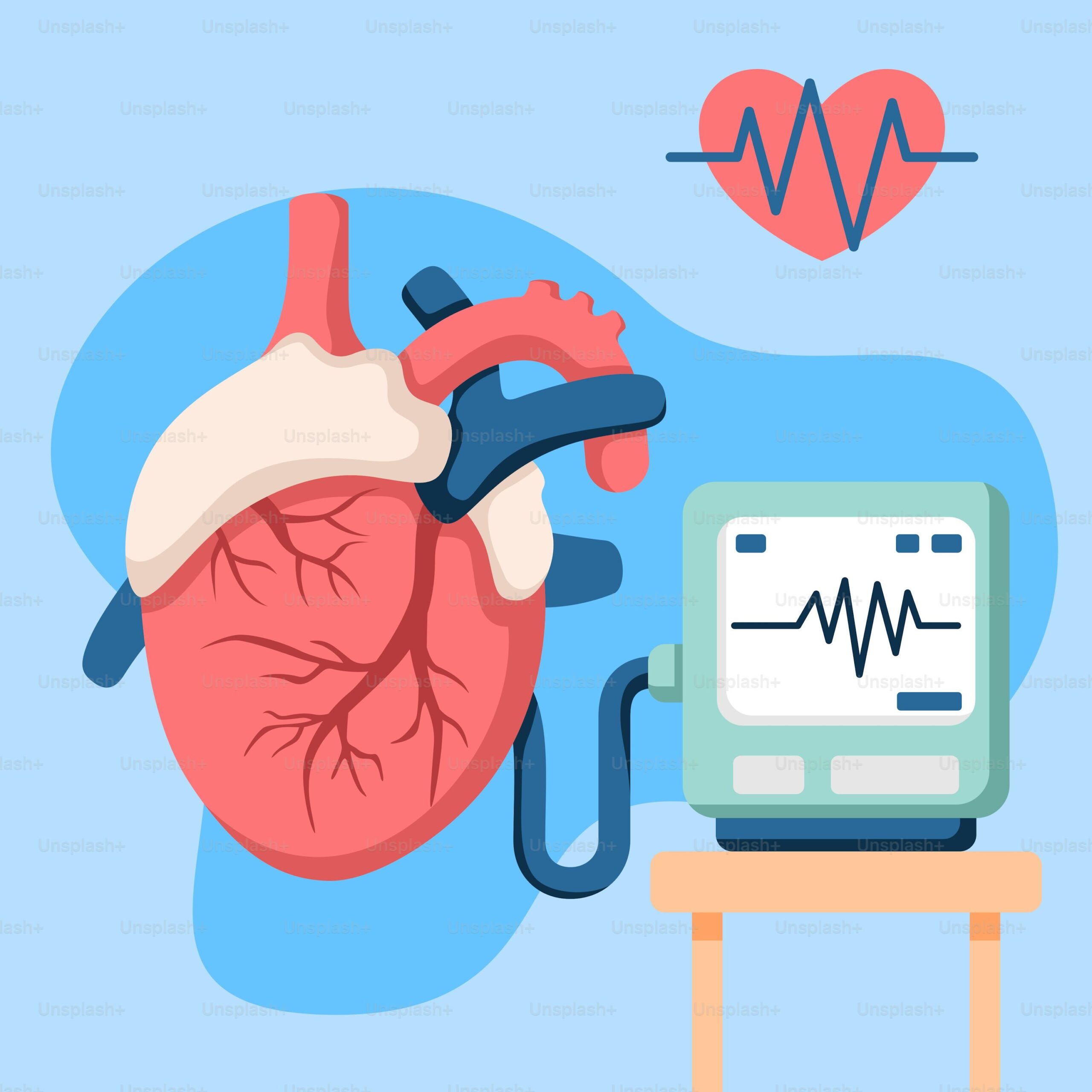
Over time, this weakened immune response is linked to serious conditions like:
- Type 2 diabetes
- High blood pressure
- Heart disease
Simply put, less sleep means less protection 🛡️
Higher Risk of Chronic Diseases
Studies show that sleeping only 5–6 hours regularly increases the risk of long-term health problems.
Health risks linked to insufficient sleep include:
- Obesity due to hormonal imbalance
- Insulin resistance and diabetes
- Cardiovascular disease
- Metabolic disorders
Alarmingly, research also links a 5–6 hour sleep schedule to a 15% higher risk of death from any cause. Sleep isn’t optional — it’s foundational.
Increased Risk of Accidents and Injuries
Sleep deprivation affects reaction time just like alcohol does.
When you don’t sleep enough:
- Reflexes slow down
- Alertness decreases
- Judgment becomes impaired
This significantly raises the risk of:
- Road accidents
- Workplace injuries
- Simple mishaps like tripping or falling
Driving while sleepy can be just as dangerous as driving under the influence 🚗💥


Cognitive Decline and “Mental Blankness”
A tired brain struggles to function at full capacity.
People who sleep only 5–6 hours often report:
- Feeling mentally “blank”
- Slower thinking
- Reduced creativity
- Poor problem-solving skills
Sleep deprivation reduces activity in areas of the brain responsible for reasoning and logic. Over time, this can affect productivity and confidence.
Visible Signs of Sleep Deprivation
Your body doesn’t hide sleep loss well — it shows on your face.
Common visible effects include:
- Puffy eyes
- Dark circles
- Dull or dry skin
- Premature aging
That “tired look” isn’t just cosmetic — it reflects what’s happening internally 😵💫
How Much Sleep Do You Actually Need?
Sleep needs vary, but general guidelines exist. While genetics and age play a role, most adults require at least seven hours of sleep per night.
Recommended Sleep Duration by Age
- 18 years and older: 7–8 hours
- 13–18 years: 8–10 hours
- 6–12 years: 9–12 hours
- 3–5 years: 10–13 hours
- 1–2 years: 11–14 hours
Quality matters just as much as quantity. Eight hours of broken sleep isn’t the same as eight hours of deep, uninterrupted rest.
How to Determine Your Personal Sleep Needs
Not sure if you’re getting enough rest? Try tracking your sleep.
Helpful methods include:
- Keeping a sleep diary
- Using a sleep-tracking app
- Noticing energy levels during the day
If you wake up refreshed and stay alert without caffeine, you’re likely meeting your needs ☀️
How to Improve Sleep Quality Naturally
If sleep hasn’t been your strong suit, don’t worry — habits matter more than perfection.
1. Optimize Your Sleep Environment
Your bedroom should support rest.
- Keep it cool, dark, and quiet
- Use blackout curtains
- Remove unnecessary noise and light
2. Improve Evening Habits
What you do before bed matters.
- Avoid heavy dinners
- Skip alcohol at least four hours before sleep
- Create a calming bedtime routine
3. Reduce Screen Time
Screens overstimulate the brain.
- Keep phones and TVs out of the bedroom
- Stop screen use at least 30 minutes before bed
4. Maintain a Healthy Lifestyle
Daily habits affect nighttime rest.
- Exercise regularly
- Eat a balanced, fresh diet
- Get daylight exposure
5. Limit Caffeine Intake
Caffeine lingers longer than you think ☕
- Avoid tea or coffee 10–12 hours before bedtime
Sleep Is Not a Luxury — It’s a Necessity
Sleeping only 5–6 hours may seem manageable now, but the long-term consequences can be serious. From mental fog and weakened immunity to chronic illness and increased accident risk, your body keeps score — even if you ignore the signs.
Sleep isn’t wasted time. It’s active healing.
Give your body the rest it deserves, and it will repay you with energy, clarity, and resilience 🌙
FAQs
1. Is sleeping 5–6 hours occasionally harmful?
Occasional short sleep is okay, but chronic sleep deprivation causes health problems.
2. Can you train your body to need less sleep?
No. You may adapt, but your body still suffers internally.
3. Does sleep quality matter more than quantity?
Both matter. Poor-quality sleep reduces the benefits of adequate hours.
4. How long does it take to recover from sleep debt?
Recovery can take days or even weeks, depending on severity.
5. What’s the fastest way to improve sleep?
Consistent bedtime, reduced screen use, and limiting caffeine are highly effective.
Your body works hard for you every day — let sleep work for you at night 🌌