8 Powerful Truths About Discipline, Mindset, and Personal Growth
Introduction: Growth Isn’t Comfortable — and That’s the Point
Let’s be honest for a moment. If growth were easy, everyone would be wildly successful, confident, and fulfilled. But it’s not. Growth asks for something most people try to avoid: discomfort 😮💨
Behind every success story is a quiet struggle no one posts about. The early mornings. The self-doubt. The discipline when motivation disappears. Progress has a cost, and that cost often shows up as pain, effort, and consistency.
The good news? That pain isn’t punishment — it’s proof you’re evolving.
Let’s break down 8 powerful truths about discipline, mindset, and self-belief that can completely reshape how you approach life, success, and your own potential.
1. The Price of Progress Is Pain
Growth doesn’t come wrapped in comfort. It comes wrapped in resistance.


Every meaningful upgrade in your life requires letting go of an older version of yourself. And that separation? It stings. Think of progress like working out a muscle 💪 — the soreness means something is changing.
Pain shows up when:
- You stop procrastinating
- You say no to distractions
- You push past excuses
- You choose long-term growth over short-term comfort
Pain isn’t your enemy. It’s your entry fee.
2. Discipline Can Solve Most of Your Problems
Let’s clear something up: motivation is unreliable. Discipline is not.
About 80% of life’s struggles can be traced back to a lack of consistent habits. Poor finances? Inconsistent spending discipline. Health issues? Irregular routines. Stress? Disorganized priorities.
Discipline doesn’t mean perfection. It means showing up even when you don’t feel like it.
Simple discipline looks like:
- Doing the boring work
- Keeping promises to yourself
- Staying consistent when results are invisible
When discipline becomes a habit, chaos starts losing its grip.
3. You Only Win When Your Mind Is Stronger Than Your Emotions
Emotions are powerful — but they’re terrible decision-makers.
If you act only when you feel confident, inspired, or happy, you’ll stall out fast. Success requires learning to pause, think, and choose intentionally instead of reacting emotionally.


Your emotions will tell you:
- “Quit, it’s too hard.”
- “You’re not ready.”
- “Try again tomorrow.”
A strong mind responds with:
- “This discomfort is temporary.”
- “I don’t need permission.”
- “I finish what I start.”
Master your mind, and emotions become tools — not obstacles 🧠
4. Believing in Yourself Is a Full-Time Job
Self-belief isn’t a one-time decision. It’s daily work.
There are no weekends off from doubt. No vacations from comparison. Every day, the world will quietly test whether you truly trust yourself.
Believing in yourself means:
- Choosing faith over fear
- Continuing despite slow progress
- Showing up even when no one notices
Confidence is built privately before it’s seen publicly. The people who succeed aren’t fearless — they’re committed.
5. It’s On You to Get Where You Want to Be
This truth hits hard — and that’s why it matters.
No one is coming to rescue you. Not your circumstances. Not luck. Not motivation. Your progress begins and ends with personal responsibility.
That doesn’t mean life is fair. It means you’re powerful.


When you accept responsibility:
- Excuses lose their power
- Victim mentality fades
- Action becomes automatic
Ownership is freedom. The moment you say “It’s on me,” your life changes direction 🔁
6. It Will Happen Because You’ll Make It Happen
Dreams don’t come true by accident.
They come true through decisions stacked on top of discipline. The difference between wishful thinking and achievement is intentional effort.
This mindset says:
- “I don’t wait for permission.”
- “I create opportunities.”
- “I adapt instead of quitting.”
When you commit fully, obstacles become puzzles — not stop signs. You stop hoping and start executing 🚀
7. Success Always Has a Price — Discipline Is the Currency
There’s no discount version of success.
Everyone pays a price. The only choice is when and how. Pay now through discipline, or pay later through regret.
Discipline costs:
- Comfort
- Laziness
- Instant gratification
But it pays back with:
- Confidence
- Freedom
- Stability
Discipline is an investment — and the returns compound over time 📈
8. Quitting and Continuing Both Hurt — Choose Wisely
This is the decision that defines most lives.
Quitting hurts immediately, but feels easier in the moment. Continuing hurts gradually, but builds pride.
Short-term pain says:
- “This is uncomfortable.”
Long-term pain says:
- “I wonder what could’ve been.”
Pain is unavoidable. Regret is optional.
When things get hard, remember: you don’t need to feel strong to keep going — you just need to decide.
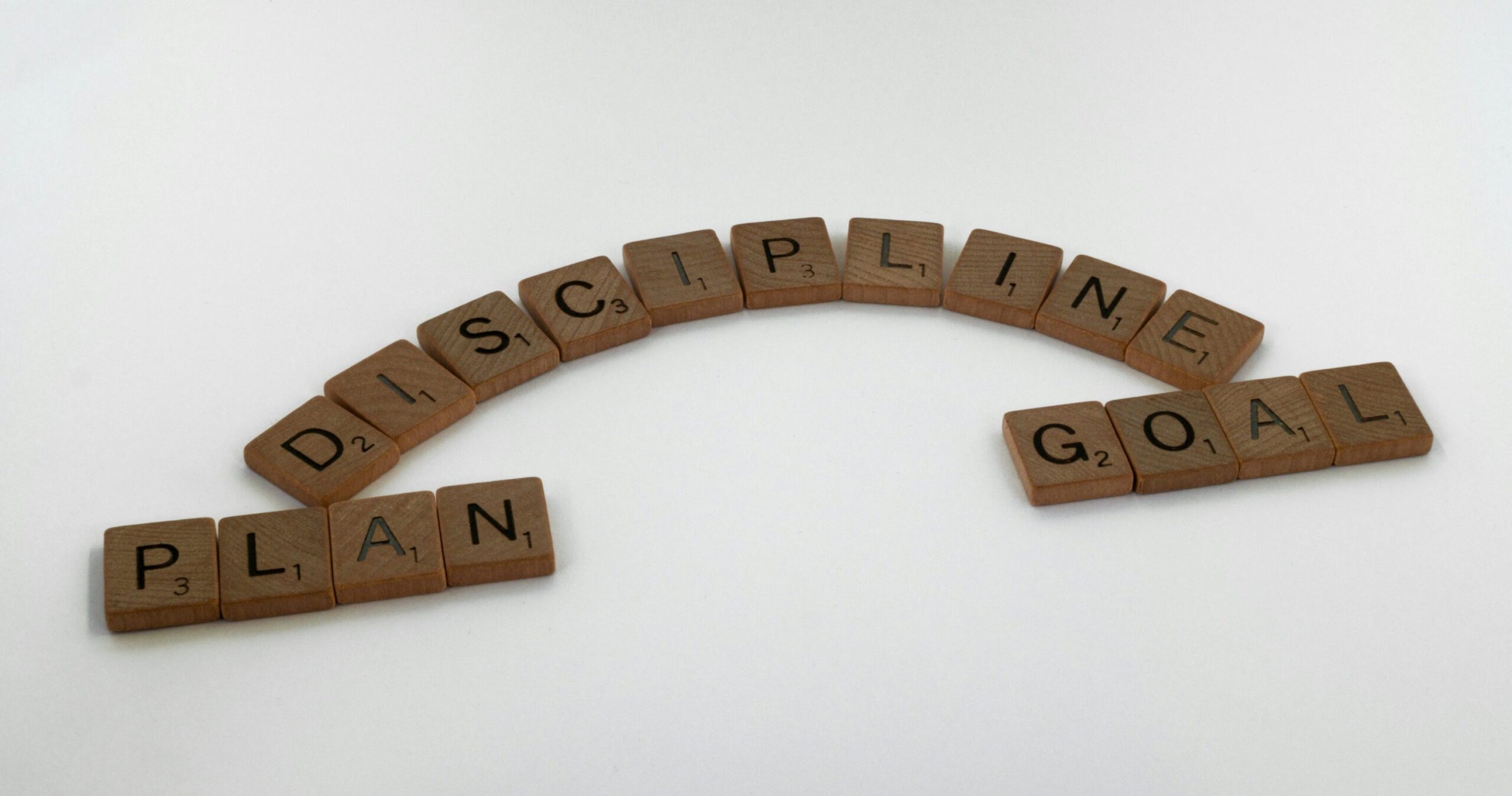
Discipline Is the Bridge Between Who You Are and Who You Want to Be
Every truth here points to one simple idea: discipline creates freedom.
Not loud motivation. Not temporary excitement. Just consistent, intentional effort applied daily.
Progress hurts. Discipline demands effort. Belief requires repetition. But the alternative costs far more.
If you’re feeling tired, discouraged, or uncertain — good. That means you’re growing 🌱
Keep going.
FAQs
1. Why is discipline more important than motivation?
Motivation fades. Discipline keeps you moving even when motivation disappears.
2. How can I build mental strength daily?
Start with small commitments and keep them. Consistency builds confidence.
3. Is pain always necessary for growth?
Discomfort signals change. Growth without challenge is rare.
4. What if I feel emotionally overwhelmed?
Pause, breathe, and respond logically instead of reacting emotionally.
5. How do I stop quitting on myself?
Reconnect with your “why” and focus on progress, not perfection.
Your future self is watching. Don’t disappoint them. 💥